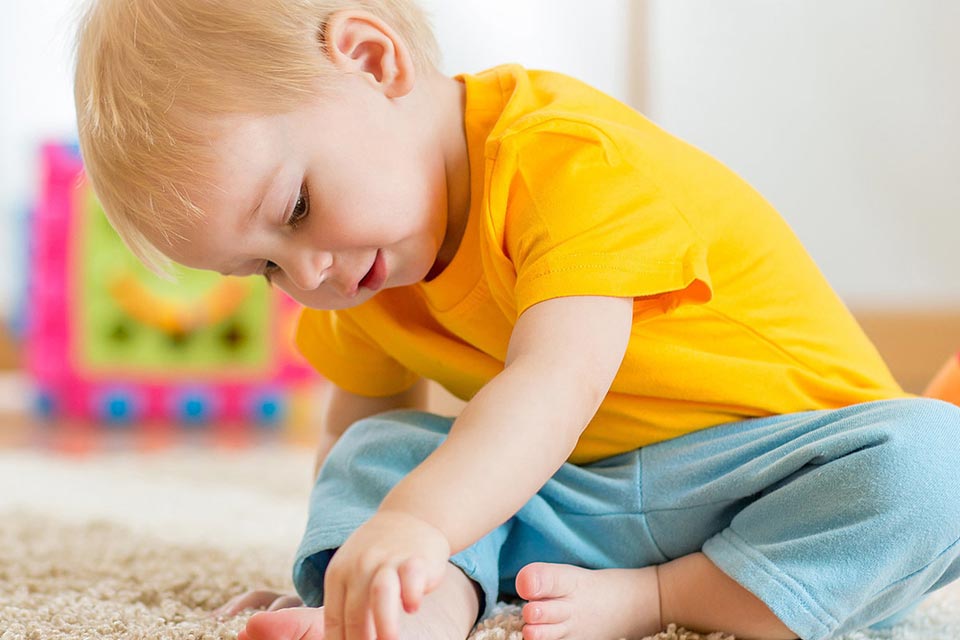
Child Aphasia / Aphasia Therapy in Shahdara
What is Aphasia?
Aphasia is a language disorder caused by brain damage, usually due to stroke, head injury, or neurological disease. It affects the ability to speak, understand, read, and write, while intelligence generally remains intact.
अफेज़िया थेरेपी बच्चों में भाषा समझने, बोलने और व्यक्त करने की क्षमताओं को पुनः विकसित कर उन्हें प्रभावी रूप से संवाद करने में मदद करती है।
Assessment of Aphasia
During assessment, a speech-language pathologist (SLP) evaluates:
- ⦿ Speech production – fluency, clarity, and ability to form words.
- ⦿ Language comprehension – ability to understand spoken and written instructions.
- ⦿ Repetition skills – repeating words, phrases, or sentences.
- ⦿ Naming skills – ability to recall and name objects or people.
- ⦿ Reading and writing abilities – recognition of letters, words, and sentences.
- ⦿ Cognitive-communication – memory, attention, and problem-solving related to language.
Common Problems in Aphasia
- ⦾ Difficulty in speaking (words come slowly or incorrectly).
- ⦾ Trouble understanding what others are saying.
- ⦾ Problems with reading and writing.
- ⦾ Use of incorrect words (substitution or omission).
- ⦾ Emotional frustration and loss of confidence.
- ⦾ Social isolation due to lack of communication.
Speech Therapy Activities & Exercises for Aphasia
1. Word Retrieval Exercises
Naming familiar objects, family members, or pictures. Using flashcards and picture books.
2. Repetition & Imitation Practice
Patient repeats sounds, words, and sentences after the therapist. Helps improve fluency and word recall.
3. Auditory Comprehension Training
Following simple to complex instructions. Listening and pointing to correct objects or pictures.
4. Reading & Writing Practice
Reading short words, then sentences, then stories. Writing daily routine words (name, address, family members).
5. Conversation Practice
Role play situations like ordering food, greeting, or asking for help. Group therapy to improve confidence and social communication.
6. Use of Technology
Mobile-based therapy apps for practicing speech at home. Online therapy sessions with live interaction.
Solutions & Recovery Approach
- ⦿ Individualized Therapy Plan – customized according to severity and patient needs.
- ⦿ Regular Therapy Sessions – consistency improves results.
- ⦿ Home Practice – daily exercises given to patients and caregivers.
- ⦿ Family Involvement – family members trained to communicate with patient.
- ⦿ Use of Sign & Visual Communication – for severe cases.
- ⦿ Motivation & Counseling – to reduce frustration and build confidence.
Why Dr. Murli Singh & His Team?
- ⦿ 27 Years of Expertise – Dr. Murli Singh is a Senior Speech Therapist with vast experience in handling thousands of Aphasia patients.
- ⦿ High Success Rate – 90% positive outcomes reported, which is a record in Delhi NCR.
- ⦿ Strong Team – his team includes trained therapists who follow evidence-based techniques.
- ⦿ Both Online & Offline Therapy – making treatment accessible for patients across India and abroad.
- ⦿ Holistic Approach – not only speech therapy but also counseling, family training, and continuous monitoring.
- ⦿ Proven Track Record – patients have regained speech, confidence, and social interaction through his therapy.
- ⦿ Reputation in Delhi-NCR – well-recognized name due to consistent successful recovery stories.
✅ Conclusion:
Aphasia requires timely, structured, and patient-centered speech therapy. With Dr. Murli Singh’s 27 years of clinical excellence, thousands of patients have seen remarkable improvement both in communication and quality of life. His team-based approach, modern techniques, and availability of online & offline therapy make him and his team the most trusted choice in Delhi-NCR for Aphasia treatment.